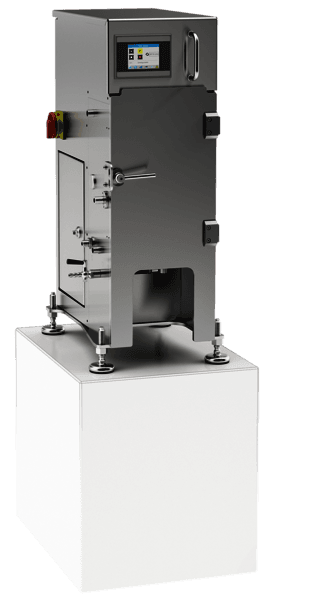
High-speed tubular centrifuges are critical equipment in pharmaceutical manufacturing, handling everything from API purification to sterile filtration. Maintaining optimal performance requires attention to several key factors.
Understanding Your Operating Window
Every centrifuge installation has an optimal operating range determined by factors including feed rate, bowl speed, solids concentration, and temperature. Operating within this window maximizes separation efficiency while minimizing wear and maintenance.
Regular monitoring of key performance indicators helps identify when the equipment is drifting outside its optimal range. Watch for:
- Changes in clarified liquid turbidity
- Increased vibration levels
- Temperature variations
- Reduced time between cleanings
Preventive Maintenance Schedule
A well-structured preventive maintenance program is essential for pharmaceutical centrifuges. CEPA recommends a tiered approach:
Daily Checks
- Visual inspection for leaks or unusual conditions
- Verify operating parameters are within normal range
- Check vibration levels
- Monitor product quality indicators
Monthly Maintenance
- Inspect seals and gaskets
- Check bearing temperatures and vibration
- Verify safety interlocks
- Review operational data trends
Annual Overhaul
- Complete disassembly and inspection
- Replace wear parts and seals
- Bearing replacement or reconditioning
- Bowl balancing verification
- Performance qualification testing
Maximizing Bowl Life
The centrifuge bowl is a precision-engineered component that deserves special attention. Proper handling and operation significantly extends bowl life:
- Start-up procedures: Always follow the manufacturer's recommended start-up sequence, allowing the bowl to reach operating speed gradually under controlled conditions.
- Feed consistency: Maintain consistent feed properties. Sudden changes in viscosity, temperature, or solids content can stress the bowl.
- Cleaning protocols: Use approved cleaning agents and procedures. Aggressive chemicals or improper cleaning can damage bowl surfaces.
- Regular inspection: Examine the bowl interior during maintenance for signs of wear, corrosion, or damage that could lead to failure.
Conclusion
Optimal centrifuge performance in pharmaceutical manufacturing requires a combination of proper operation, regular maintenance, and attention to process conditions. By implementing these best practices, facilities can maximize equipment uptime, product quality, and return on investment.
For specific guidance on your CEPA centrifuge installation, contact our technical support team. We provide on-site training, performance optimization services, and comprehensive maintenance support.
